
Experience Real-Time Thrills At The Best Live Dealer Casinos Now
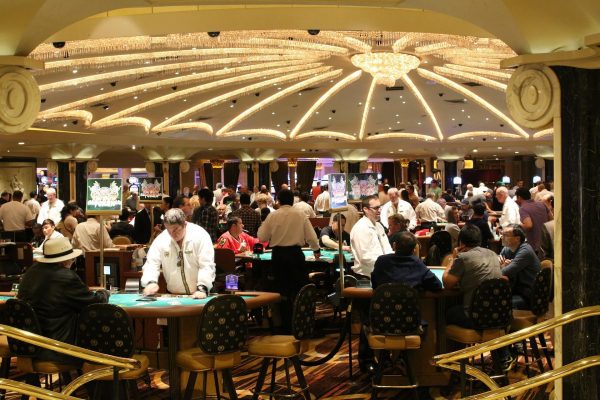
Live dealer casino is the real-deal online experience, bridging the gap between your screen and a physical casino floor. It streams a human dealer in real time from a professional studio, letting you place chips and make decisions through an interactive interface. The biggest thrill is that you get the social vibe and authentic table action without leaving your couch. This is as close as it gets to being there without the smoke or the dress code.
What Sets Real-Time Table Gaming Apart From Standard Play
Real-time table gaming through a live dealer casino shatters the isolation of standard play by pulling you into a genuine casino environment from your screen. Instead of facing a cold Random Number Generator, you watch a human shuffling cards or spinning a roulette wheel in real-time, creating tangible trust through visible, unedited action. Standard play offers automated speed, but live dealer sessions deliver interactive authenticity—you can chat with the croupier, see other players' bets, and feel the suspense of the physical outcome. Every hand dealt or ball dropped is a shared moment, not a programmed result, making each decision feel consequential rather than hollow.
Human Dealers vs. RNG: The Core Difference in Atmosphere
The core atmospheric divide in live dealer gaming hinges on human interaction vs. algorithmic certainty. A human dealer introduces social rhythm—conversation, visible card handling, and real-time reactions—creating a palpable tension that mimics a physical casino floor. Conversely, RNG-based play delivers sterile, isolated speed; each outcome emerges from a cold mathematical process with no interpersonal feedback. This human element fosters trust through transparency, as players witness each shuffle and spin, while RNG requires faith in unseen code. The atmosphere shifts from a shared social ritual to a private, data-driven transaction, directly impacting player engagement and perceived authenticity.
Q: How does a human dealer physically change the game’s atmosphere compared to RNG?
A: A human dealer introduces visible delay, emotional cues, and interactive pacing, whereas RNG delivers instant, impersonal results, stripping away the social tension and tactile confidence that define a live experience.
How Streaming Technology Creates Authentic Casino Vibes
Streaming technology replicates a land-based casino’s sensory environment by using multiple camera angles that capture the dealer’s gestures, chip shuffling, and wheel spins in real time. High-definition video and low-latency audio transmit the clatter of roulette balls and the snap of card decks, creating an immediate, immersive atmosphere. This setup removes the sterile feel of RNG games, as players see actual casino equipment and human interaction unfold without delay. The visual and auditory cues from the stream—like dealer banter or table sounds—anchor the experience in a tangible, authentic setting.
- Multi-camera views show live dealer handling chips and cards, replicating the visual cues of a physical table.
- Real-time audio transmits ambient casino sounds, such as shuffling and chatter, increasing immersion.
- Low-latency streaming ensures actions like bet placement or card dealing appear instant, preserving the natural pace of play.
Core Game Variants You Should Know
In live dealer casinos, the core game variants you need to know all center on classic table games. Live blackjack typically offers standard and Infinite Blackjack, where unlimited players join a single hand. Live roulette features European and Lightning Roulette, which adds random multipliers to winning numbers for bigger payouts. For live baccarat, the essential variants are Speed Baccarat for quick rounds and No Commission Baccarat, which avoids standard 5% fees on banker wins. Live poker variants like Three Card Poker and Ultimate Texas Hold'em let you battle the dealer. Lightning Roulette’s random multipliers are the key twist, turning standard payouts into potentially huge wins. Each variant adds a unique house edge and strategy, so picking the right one depends on your pace and risk appetite.
Blackjack With a Human Touch: Strategies for Real-Time Play
In a live dealer setting, Blackjack With a Human Touch: Strategies for Real-Time Play demands adapting basic strategy to physical card handling. You must account for the dealer’s shuffle style and cut, which can create visible streaks. Counting is less effective here due to continuous shuffling machines, so focus on real-time observation of deck penetration when shoes are hand-shuffled. Adjust your splits and doubles based on the visible ratio of low to high cards already played. This analytical shift from perfect memorization to situational awareness defines successful human-touch play.
Blackjack With a Human Touch: Strategies for Real-Time Play replaces rigid counting with adaptive observation of the dealer’s physical shuffle and live card flow.

Roulette Wheels Spun by Real Croupiers: Wheel Variations
In live dealer casinos, the roulette wheels spun by real croupiers exhibit distinct variations that affect betting strategy. The European single-zero wheel (37 pockets) offers lower house edge compared to the American double-zero version (38 pockets). Some tables feature French roulette with La Partage rules on even-money bets, reducing risk further. Wheels are manually spun by a croupier, introducing a physical random element versus RNG. Players can observe wheel balance and dealer spin patterns, though no advantage play is guaranteed. Mini-roulette with 13 pockets is a rarer variant.
Live roulette wheels, from single-zero European to double-zero American and French variations, each alter house edge and betting dynamics when spun by a real croupier.
Baccarat and Poker Options: Speed, Squeeze, and Side Bets
In live dealer casinos, Speed Baccarat drastically accelerates play by removing the card-squeezing ritual, delivering a hand every 27 seconds for high-volume bettors. Conversely, the Squeeze option in traditional Baccarat lets you slowly peel back the cards, building tension as a VIP feature. Side bets like Panda 8 and Dragon 7 in Baccarat offer up to 40:1 payouts, while Poker variants like Casino Hold’em include optional bonus bets for flush or better. The table below clarifies how these options diverge in pace and risk.
| Feature | Baccarat (Speed/Squeeze/Side) | Poker Options (Side start now Bets) |
|---|---|---|
| Pace Control | Speed (fast) vs. Squeeze (slow ritual) | Standard bet timing only |
| Additional Wagers | Panda 8, Dragon 7, Pair bets | AA Bonus, Progressive jackpots |
| Player Interaction | Card squeezing (Squeeze variant only) | No card manipulation |
Technical Infrastructure Behind the Scenes
The seamless live dealer casino experience depends entirely on specialized technical infrastructure running behind the scenes. Multiple studio-grade cameras capture the dealer’s every move, streaming high-definition video via low-latency encoders to dedicated servers. These servers synchronize the video feed with your game interface, relying on real-time data transmission protocols to keep bets and results identical for all players at the table. Optical character recognition (OCR) technology instantly reads card values and roulette numbers, converting physical actions into digital data without any manual input. Every frame must reach you within milliseconds to avoid lag, which is why providers use content delivery networks and redundant fiber connections. This silent hardware and software stack ensures your live game feels immediate and authentic.
Studio Layouts, Camera Angles, and Lighting Precision
In a live dealer casino, studio layouts, camera angles, and lighting precision work in unison to mimic a land-based venue while eliminating visual distortion. The oval or semi-circular table setup positions the dealer centrally, allowing multiple robotic cameras to capture every angle without blind spots. High-definition cameras, often ceiling-mounted, zoom seamlessly from a wide establishing shot to an intimate close-up of the dealer’s hands, ensuring card values are always readable. Lighting rigs use diffused, flicker-free LEDs to eliminate harsh shadows on felt and dealer faces, preventing glare on reflective chips. Each light is calibrated to a specific Kelvin temperature, ensuring consistent color accuracy across all streams regardless of time of day.
- Tables are arranged in a radial layout to allow uninterrupted camera sweeps from any position.
- Pan-tilt-zoom (PTZ) cameras digitally track the dealer’s movements for zero-lag close-ups.
- Key lights are positioned at a 45-degree angle to the dealer to kill reflections on glossy table surfaces.
- Backlighting strips along the table rim separate the dealer’s silhouette from the background for crisp depth of field.
Bandwidth Requirements for Lag-Free Interaction
For lag-free interaction in a live dealer casino, your internet connection needs a stable download speed of at least 10 Mbps for HD streams, with consistent low latency under 50ms being more critical than raw speed. Upload speed matters too, around 3 Mbps, since your bets and chat actions must transmit instantly.
- Wi-Fi should be 5GHz band to avoid interference; 2.4GHz often causes stutter.
- Wired Ethernet is the most reliable option for avoiding packet loss.
- Close background apps that eat bandwidth, like streaming or downloads.
Even a perfect connection can lag if your device can’t decode the video feed fast enough.
Security Protocols: Card Shuffling and Table Monitoring
In live dealer casinos, table integrity relies on rigorous card shuffling and real-time surveillance. Automatic shufflers that randomize decks after each hand are mandatory, with their mechanics verified by independent auditors. Simultaneously, multiple overhead and embedded cameras monitor every dealer action and bet placement, feeding footage to a dedicated security team. This dual-layer system detects anomalies like culling or collusion instantly. Shuffle verification logs and optical character recognition cross-reference each card dealt, ensuring no manual interference goes unchecked. The process operates on a sub-second delay, guaranteeing fairness without disrupting gameplay.
Security protocols in live dealer casinos combine mandatory automatic shuffling with multi-angle table monitoring to detect irregularities, ensuring every hand is unpredictable and verified.
Selecting the Optimal Platform for This Experience
Picking the right spot for your live dealer casino sessions really comes down to how selecting the optimal platform for this experience aligns with your play style. You want a platform that lets you filter games by dealer or table limits, so you’re not wasting time scrolling. Check if the interface is clutter-free on both desktop and mobile, especially if you hop between devices. Reliable video streaming with minimal lag is non-negotiable for smooth hands, and look for quick navigation to chat features or bet history. Selecting the optimal platform also means testing the demo view to ensure the camera angles feel natural—no awkward zooming that breaks immersion.
Software Providers: Evolution, Playtech, and Pragmatic Play Differences
When picking a live dealer casino, the software provider shapes your entire feel. Evolution Gaming differences stand out with its cinematic studios and game-show variety, like Lightning Roulette, offering immersive HD streams. Playtech focuses on a polished, traditional table experience with smooth interfaces, but less flashy extras. Pragmatic Play keeps it mobile-first, with faster load times and a wider range of lower-stakes tables, ideal for casual play. These three define distinct vibes: Evolution for spectacle, Playtech for classic polish, Pragmatic Play for quick, accessible rounds.

Evolution wows with game-show flair, Playtech offers refined classics, and Pragmatic Play prioritizes speed and mobile convenience for varied live dealer play.
Game Pace Limits and Betting Range Flexibility
When picking a live dealer casino, your flow matters. Game pace limits decide if you're in a rapid-fire baccarat or a slow-burn blackjack table—betting range flexibility here lets you jump between low-stakes hands and high-rolling rounds. For a smooth session, check this sequence:
- Scan the table speed timer (e.g., 15-second vs 30-second bets) to match your vibe.
- Confirm the chip values cover both tiny minimums and sky-high maximums without forcing leaps.
- Test if the platform lets you switch ranges mid-shoe or only between new rounds.
This ensures you never feel rushed or locked into a single bet size. At a live dealer table, tight pace limits kill the fun, while rigid ranges ruin spontaneity.
Mobile Compatibility: Touchscreen Controls and Stream Stability
When selecting a platform for live dealer action, mobile compatibility hinges on intuitive touchscreen controls and unwavering stream stability. The interface must translate complex bets and side wagers into seamless taps and swipes, ensuring you never fumble a critical decision. A lag-free, high-definition stream is non-negotiable, as even a brief stutter can disrupt the game's rhythm. The best platforms optimize video compression to maintain a smooth, real-time connection even on fluctuating mobile networks, making responsive touchscreen precision the true measure of a polished mobile experience.
Advanced Features Enhancing Player Engagement
The pit boss’s nod feels distant, but your live casino interface pulls you closer. A click on “Multi-Camera View” shifts your perspective from the dealer’s hands to the chip stack of the player on your left, letting you read their hesitation in real-time. When you join mid-shoe, the bet behind feature instantly mirrors a random player’s hand, keeping you invested without waiting for the next deal. As the roulette wheel spins, in-game chat lights up—the dealer acknowledges your guess on red, turning a silent screen into a shared laugh. These layers, from seamless statistics overlays to customizable camera angles, transform passive observation into active, social play.
Chat Functions: Communicating With Dealers in Real Time

The **live chat feature** transforms gameplay by enabling direct, real-time communication between players and the dealer. Through a text box displayed on the screen, users can ask questions about game rules, request adjustments, or simply engage in casual conversation. This interaction humanizes the digital environment, as the dealer responds audibly and visually, often addressing the player by name. It also allows players to congratulate each other on wins, fostering a shared social atmosphere. Functionality is typically accessed via a dedicated chat button, with messages moderated to ensure a respectful and seamless gaming session.
Side Bets, Multi-Camera Views, and Statistics Overlays
Side bets in live dealer tables introduce immediate, high-risk wagers on specific outcomes, such as a suited pair or a dealer bust, which operate parallel to the main game. Multi-camera views provide players with switchable angles, including close-ups of the shoe and overhead perspectives, eliminating blind spots and enhancing trust through absolute visual transparency. Statistics overlays display real-time data like hand histories, dealer tendencies, and payout percentages directly on the interface, enabling informed decision-making. Together, these features create a deeply interactive immersion, shifting passive viewing into strategic player-driven engagement by layering analytical depth onto the live stream.
VIP Tables and Dedicated Hosts for High-Stakes Play
For high-stakes players, VIP tables and dedicated hosts transform the live dealer experience into a private, premium service. These exclusive tables often feature higher betting limits, personalized game settings, and reduced distractions from lower-stakes players. The dedicated host acts as a single point of contact, managing table reservations, processing large deposits instantly, and arranging custom rules or side bets. A typical sequence unfolds as:
- The player requests a private session or specific table through their host.
- The host secures the table, sets the agreed limits, and notifies the player of the exact start time.
- The live dealer then opens the game exclusively for that VIP, maintaining direct communication via private chat.
Strategic Betting Approaches for This Format
Strategic betting in live dealer casinos requires adapting to the slower, real-time flow. Since you can see cards being dealt or the roulette wheel spinning, you can use observational betting to note dealer tendencies or patterns, though each hand or spin remains independent. A practical approach is flat betting—keeping your wager consistent to manage the house edge during longer sessions. Always set a win/loss limit before starting to avoid chasing losses when the live interaction gets intense. For blackjack, stick to basic strategy without side bets; for roulette, focus on even-money outside bets to conserve your bankroll while enjoying the social pace.
Managing Bankroll When Hands Move Faster
In a live dealer casino, the accelerated pace of play demands proactive bankroll segmentation for fast play. You must pre-set smaller, discrete loss limits per session, as rapid hand turnover can erode funds before you register a single full swing. Allocate only a fixed portion of your total bankroll to these high-speed sessions, ensuring a natural "stop-loss" triggers after a set number of dealt hands, not after a time block. This prevents the dopamine of consecutive quick wins from prompting reckless up-betting, keeping each spin or bet independent of emotional fatigue.
Recognizing Patterns in Real-World Deal Schedules
Observing the dealer’s shuffle sequence and the frequency of specific hand outcomes across multiple shoes reveals exploitable consistencies. You can track how often a dealer busts after a certain upcard, particularly during slow, manual shuffles where card clumping occurs. Recognizing that dealers in live formats often follow predictable procedural rhythms—such as pausing longer before revealing a hole card on a ten-value upcard—lets you adjust your bet spread. This real-time pattern recognition is a strategic advantage over basic strategy, as it transforms random chance into a discernible, actionable cycle.
Using Historical Data Without Overthinking the Odds
In a live dealer casino, using historical data means tracking past outcomes—like red/black streaks in roulette or banker/player rounds in baccarat—without interpreting them as predictive patterns. The key is to treat this data as a neutral reference for table selection, not a crystal ball. Focus on these steps:
- Log the last 10–20 results from a live feed to spot short-term variance, like a dealer’s slight dealing tilt in baccarat.
- Skip complex probability models; instead, note if the table has alternated results frequently, which can guide flat-bet timing.
- Exit if the data shows chaotic swings—your edge is in abandoning tables, not solving odds.
This approach keeps decisions swift and disciplined.
Responsible Gaming Measures Specific to Streamed Tables

At a live dealer casino’s streamed table, dedicated software gives you granular control over session time: a visible countdown timer on the video feed reminds you of elapsed play, while you can set hard limits for total hands or cumulative loss before the game automatically disconnects. Streamed tables uniquely display your bet history alongside the dealer’s shuffle, letting you see real-time patterns of your wagering behavior.
This live visual feedback—your own bets shown in the same frame as the cards—makes it harder to rationalize chasing losses, because the table’s very interface mirrors your choices back at you.
You can also toggle on a mandatory “break” prompt that pauses the stream every 30 minutes, requiring a deliberate click to rejoin; this prevents autopilot play where the continuous dealer feed would otherwise lull you into longer sessions.
Session Timer Warnings and Deposit Caps in Real Time
At streamed blackjack or roulette tables, a real-time deposit cap locks your daily funding the moment you set it—no option to increase it mid-session. Simultaneously, a session timer counts down in view, flashing a warning when you have two minutes left. If you ignore it, the system automatically disconnects your seat, preventing another hand. Together, these tools create a hard boundary: your wallet cannot expand and your play time cannot extend past the alarm. You either reset tomorrow or leave now—no grey area.
Dealer Interaction Limits and Self-Exclusion Options
Streamed tables empower you to set firm dealer interaction limits and self-exclusion options, preventing impulsive behavior before it starts. You can cap chat frequency to avoid distraction, or mute the stream entirely during high-stakes hands. For deeper control, pre-emptive self-exclusion temporarily blocks you from all live tables, with immediate activation if you feel your session slipping. Paired with time alerts that pause the game when limits are hit, these tools ensure dealer engagements remain a conscious choice, not a compulsion—all manageable directly from the interface without external hassle.
Age Verification and Geofencing Compliance
For live dealer tables, real-time age verification and geofencing compliance instantly block underage or out-of-jurisdiction players from participating. As you approach a streamed table, the system checks your ID document against a live selfie and confirms your GPS coordinates match legal zones. If you travel outside the permitted region or your age check fails, the game window locks immediately—no bets, no viewing. This dual security ensures every face on camera is legally allowed to play, protecting you from accidental policy violations while keeping the game fair for authorized users only.
Comparing This to Automated and Virtual Alternatives
Live dealer casinos bridge the gap between automated games and physical venues by offering real-time human interaction through video streams. Unlike fully automated RNG games, live dealer tables provide transparent physical card shuffles and roulette spins, which can satisfy players skeptical of algorithm-driven outcomes. However, virtual alternatives often offer faster gameplay and lower minimum bets due to the absence of human dealers and table limits. A live stream still introduces latency and scheduling constraints that automated or AI-driven simulations completely eliminate. For players prioritizing social cues and authentic table dynamics, live dealer edges out virtual options, while those seeking pure speed or anonymity may prefer the streamlined efficiency of digital automation.
Speed Differences: Human Dealt vs. Computerized Rounds
The most immediate shift you will notice when comparing live dealer casino tables to fully automated rounds is the rhythm of play. Human dealers introduce natural pauses for shuffling, chip handling, and bet settlement, meaning a single baccarat or blackjack hand can take 40–60 seconds. In contrast, computerized rounds, powered by Random Number Generators, eliminate these physical delays, often delivering results every 10–20 seconds. This accelerated digital pace suits players seeking rapid decision-making and volume, while the slower, deliberate cadence of a live dealer room mirrors a brick-and-mortar casino, allowing you to savor social interaction and strategic thought. The choice is purely one of tempo: instant automation versus human-paced authenticity.
Social Element: Why Some Players Prefer the Personal Touch
For a subset of players, the automated efficiency of RNG games feels sterile, lacking the human nuance that transforms betting into interaction. These users deliberately seek a personal touch in live dealer experiences, valuing the dealer’s verbal acknowledgment of wins, small talk during slow hands, and genuine reactions to dramatic outcomes. This social layer creates a perceived reciprocity absent from virtual tables—the dealer’s facial expressions or off-hand comments humanize the financial risk. Consequently, the chat function becomes a tool for rapport, not just strategy, as players respond to a real person rather than a program. The atmosphere shifts from transaction to shared moment, directly addressing a psychological preference for communal play.
The personal touch satisfies a desire for authentic human connection, turning a solitary wager into a socially mediated event that automated alternatives cannot replicate.
House Edge Transparency in Physical vs. Digital Decks
A physical deck in a live dealer casino offers inherent transparency; players can visually verify the shuffle and see the house edge is derived from standard game rules, like the impact of a single zero on a roulette wheel. This contrasts sharply with digital deck house edge transparency, where an RNG's algorithm and its bias are completely opaque to the user. A player must trust the software certification, not their own observation, to confirm the programmed mathematical advantage. How can a player audit the house edge of a digital deck versus a physical one? They cannot, as digital decks require reliance on third-party auditing reports, whereas physical decks allow for direct, real-time observation of the game's mechanical fairness.
What Exactly Is a Live Dealer Experience?
How Real-Time Streaming Recreates a Brick-and-Mortar Table
Key Components: Camera Setup, Chat, and Physical Equipment
Difference Between Automated Digital Games and Human-Hosted Tables
How to Join and Play at a Live Table
Step-by-Step: Logging In, Choosing a Table, and Placing Bets
Understanding the Interface: Bet Limits, Side Bets, and Chat Features
Mobile Play: Accessing Live Action on Your Phone or Tablet
Core Features That Define a Quality Live Room
Multiple Camera Angles and HD Video Quality
Interactive Chat with Dealers and Other Players
Game Variants: Blackjack, Roulette, Baccarat, and Specialty Shows
Practical Benefits of Choosing a Human-Led Setup
Enhanced Trust Through Visible Gameplay